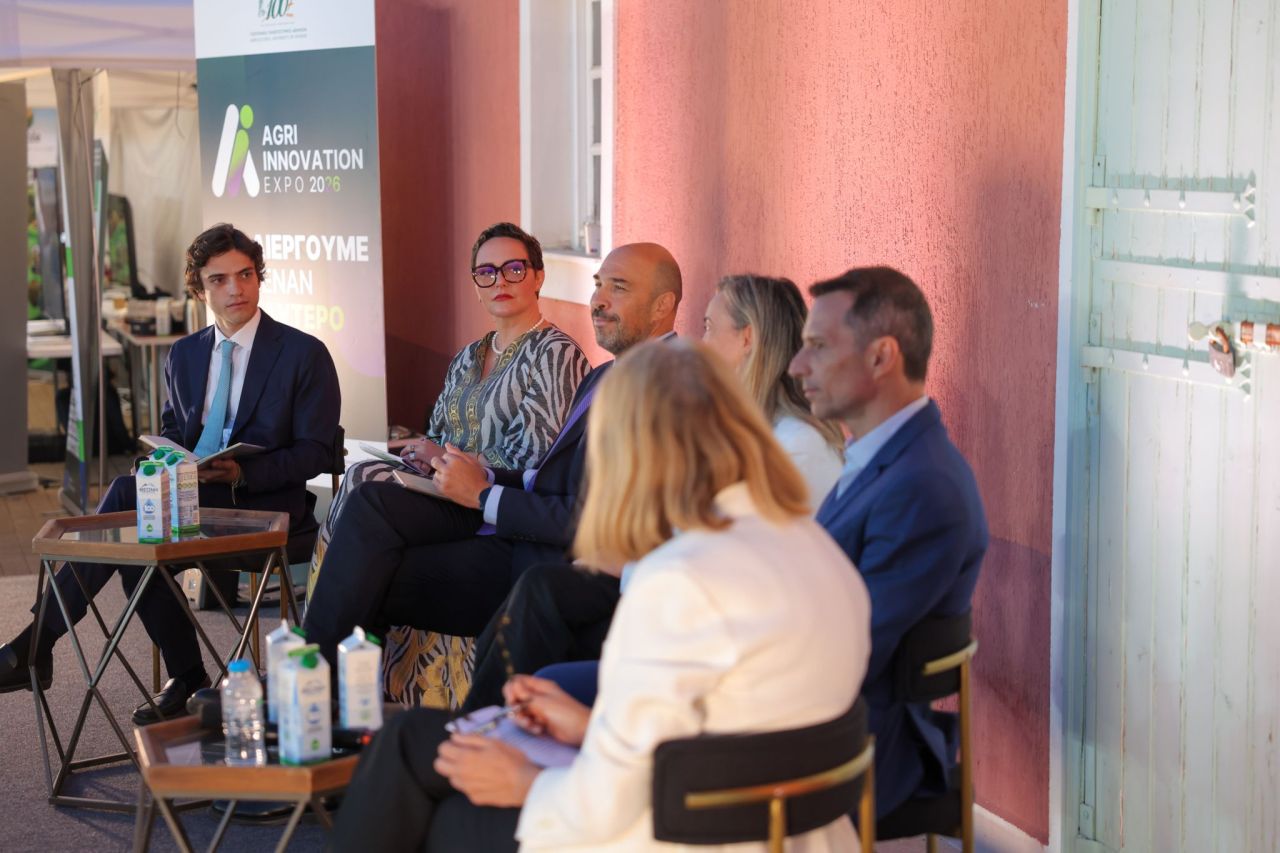
Greece has no shortage of good research. Its universities produce work that is scientifically rigorous, often world class, and increasingly relevant to the great challenges of our time, from food security and biodiversity to climate resilience and the energy transition. Yet the distance between a promising result in a university laboratory and a product that customers buy and investors back remains one of the most stubborn gaps in the innovation economy. Closing that gap was the subject of a panel moderated by Energon Green Solutions co-founder Marios Fokas at Agri Innovation Expo 2026, and the conversation offered a clear and encouraging picture of how that distance is being shortened.

A Showcase for Research with Real World Ambition

Now in its third edition, Agri Innovation Expo is the Research, Innovation and Technology Transfer Exhibition of the Agricultural University of Athens, an institution with more than a century of contribution to Greek agriculture and science. This year’s exhibition took place on 24 and 25 September in the grounds of the Agricultural Museum on Iera Odos, bringing together researchers, entrepreneurs, investors, policymakers and the wider public.

The expo was organised by InnovinAgri, the University’s Office of Innovation, Entrepreneurship and Technology Transfer, as part of the ROMVOS Technology Transfer Network. ROMVOS is a collaboration between the Agricultural University of Athens, Panteion University, the University of Piraeus and the University of Thessaly, created to strengthen technology transfer and help research results find their way into the economy. The format reflected that mission directly. Thirty two exhibiting teams presented mature research results, university spin offs and flagship projects addressing plant protection, genetics, the bioeconomy, food production and supply chains, and sustainable energy and biotechnology.

Energon extends its sincere thanks to Katerina Papadouli and Thomas Bartzanas for the kind invitation and for the work that made the expo possible.

Five Perspectives on One Journey

The panel, titled “Support Ecosystems: Bridges between Academic Research and Markets”, was designed around a simple premise. A research origin company does not move from lab to market with the help of a single actor. It needs different forms of support at different stages, and each of those forms comes from a different part of the ecosystem. To capture that range, the session brought together five speakers representing advisory, commercial banking, economic diplomacy, national development finance and European level capital.

Joining the conversation were Marianna Nathanail of the European Investment Bank, Dr Kyriaki Bakirtzi of the Hellenic Development Bank, Rannia Savvaki of the Embassy of the Netherlands in Greece, Nicolas Dedousis of Piraeus Bank, and Fragiskos Theofylaktos of Prisma Consulting Athens. Guided by Marios Fokas, the discussion moved through each of these layers in turn, asking not only what each actor offers but how their contributions fit together.

Turning Results into Something Investable

The conversation began where many research journeys stall. A laboratory result, however impressive, is not yet something an investor can assess or a client can buy. The panel highlighted the role of targeted advisory in translating scientific achievement into the language of markets: clarifying the value proposition, identifying the right customers, structuring the business and preparing the evidence that investors need. Done well, advisory is often the first real bridge a research team crosses, and it shapes every conversation that follows.

Banks Adapting to a New Kind of Client

Commercial banking might not be the first source of support that comes to mind for an early stage spin off, but the discussion made a compelling case for its importance. Banks bring financial discipline and a reach that few other actors can match, and the panel noted that they are actively adapting their tools and services to better serve companies that originate in research. For founders, this means that the banking relationship is increasingly something to build early rather than something to approach only once a company is mature.

Where Diplomacy Opens Doors

One of the most distinctive contributions came from the perspective of economic diplomacy. The panel explored how embassies and diplomatic networks can open doors that capital alone cannot, by connecting innovators with partners, markets and expertise abroad. The Netherlands offered a particularly instructive example. The Dutch triple helix model, which builds structured cooperation between universities, industry and government, has long been regarded as a benchmark for innovation ecosystems. Alongside it, the Orange Grove programme demonstrates how diplomatic channels and resources can be turned into real commercial traction for start ups. For Greek research teams with international ambitions, the lesson was that diplomacy is not a ceremonial layer of support but a practical one.

National and European Finance Stepping Up

The final part of the discussion turned to public finance, at both national and European level. On the national side, development finance is actively supporting and designing instruments aimed specifically at DeepTech and research origin companies. The significance of this should not be understated. It reflects a growing recognition that these companies follow different timelines, carry different risks and therefore deserve to be backed differently from conventional businesses.

At European level, the emphasis was on scale. European capital can support ventures at a magnitude that national systems alone often cannot, and the panel highlighted how its reach is expanding through new supporting tools and additional channels designed to bring funding closer to DeepTech founders. For a Greek spin off with the potential to grow across borders, these channels can be the difference between remaining a promising local company and becoming a European player.

The Strength Is in the Connections

Perhaps the most important insight of the afternoon was not about any single actor but about how they relate to one another. Each of the five speakers represented a vital piece of the support ecosystem, yet the true value emerged when those pieces were seen working together. When advisory prepares a company for investment, when banks and development institutions offer instruments suited to its stage, when diplomacy connects it to international markets and when European capital is ready to help it scale, the journey from lab to market becomes far more structured and predictable. Unnecessary friction falls away, and the opportunities and outcomes available to research origin start ups and spin offs are amplified considerably.

That is an optimistic message, and an important one for Greece. The building blocks are in place. The task now is to keep strengthening the links between them so that more researchers can make the leap from discovery to impact.

Why This Matters to Energon

At Energon Green Solutions, bridging innovation with the frameworks that allow it to grow is central to our work. Many of the agritech and climate tech ventures emerging from Greek universities are precisely the kind of companies that thrive when legal, financial and policy support are aligned around them. Conversations such as this one help build that alignment, and we are proud to have contributed by moderating the discussion.

Our warm thanks go to all five speakers for a rich and generous exchange of ideas, and our congratulations to all thirty two exhibitors for their fascinating work. We look forward to seeing many of these teams take their research further in the years ahead.
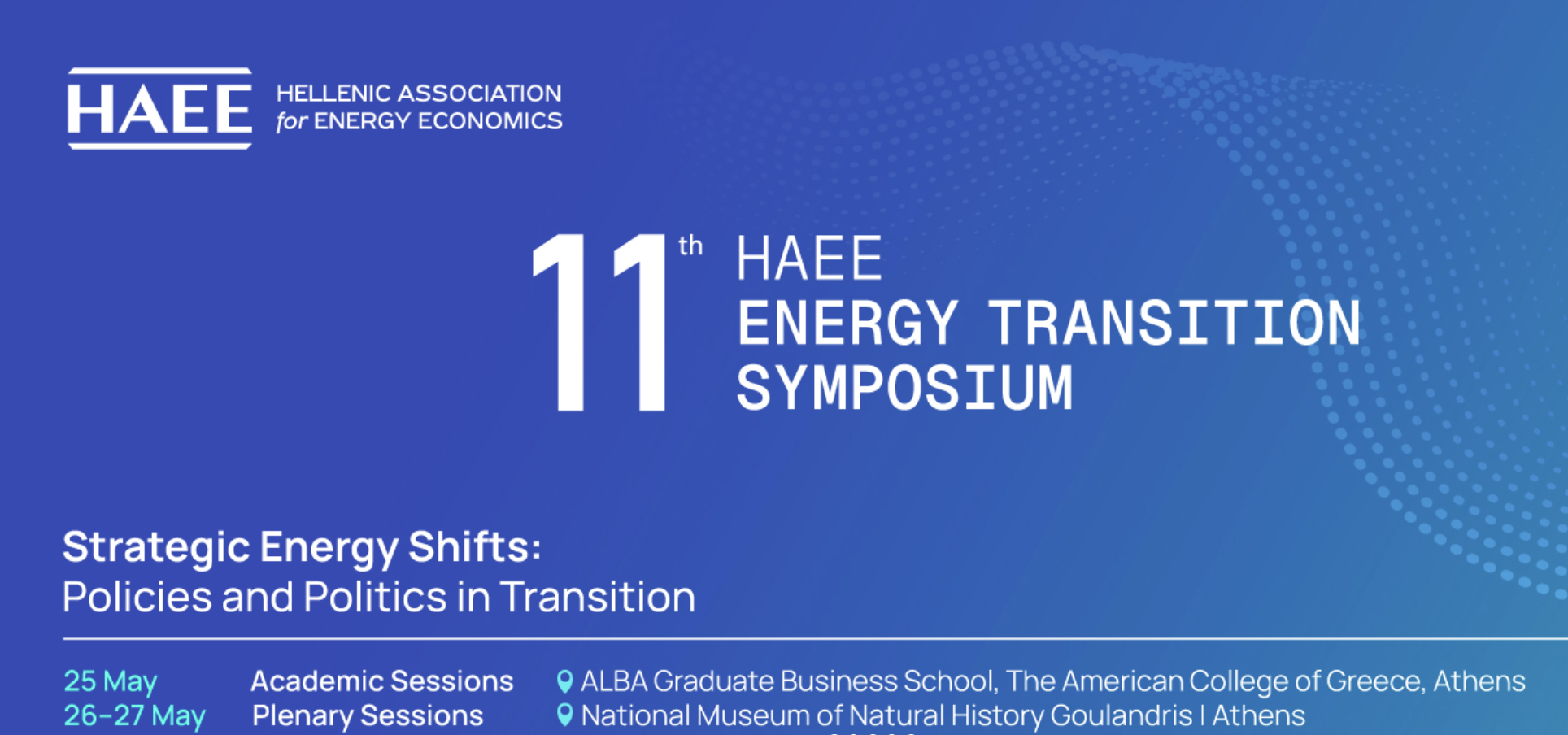
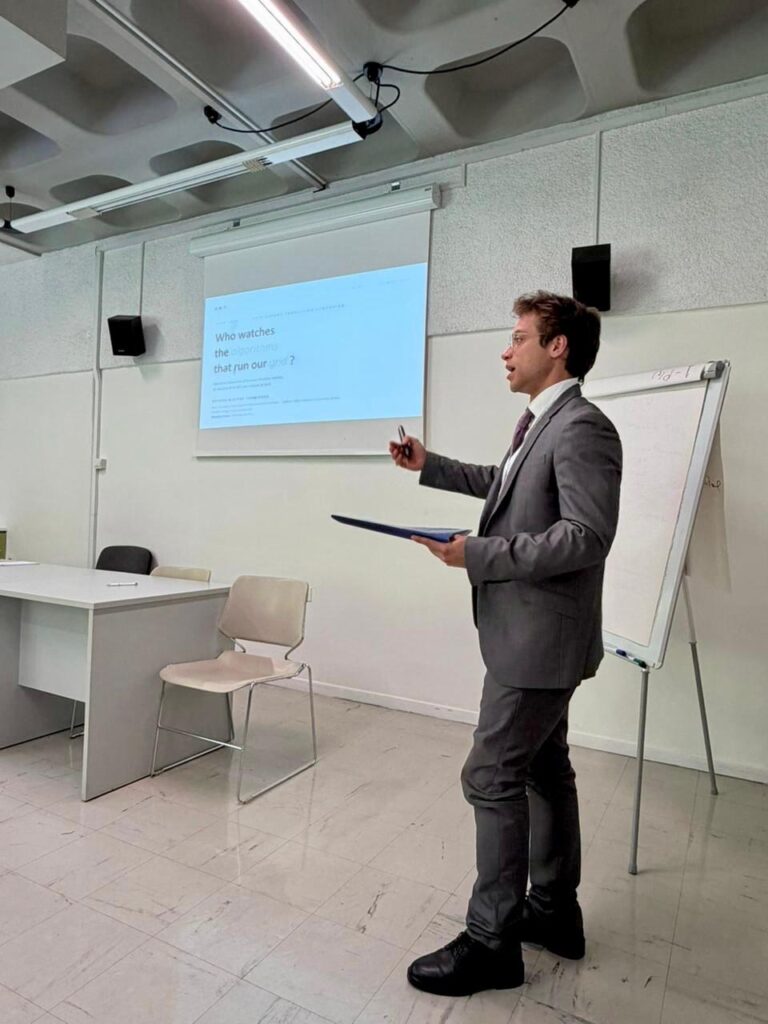
Energon Green Solutions was represented this week at the 11th HAEE Energy Transition Symposium, held at ALBA Graduate Business School, American College Greece, under the theme “Strategic Energy Shifts: Policies and Politics in Transition.”

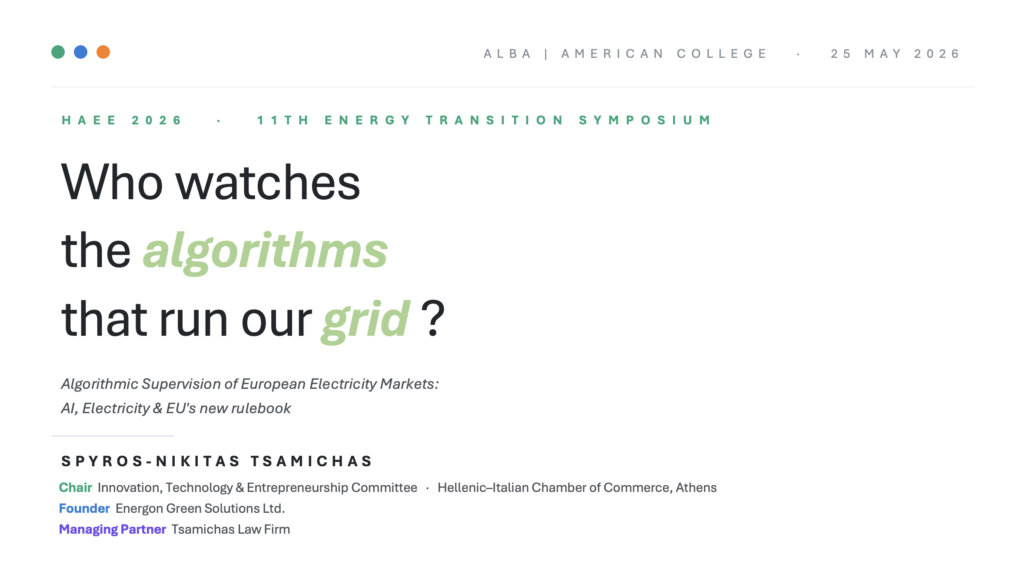
Spyros-Nikitas Tsamichas, presented the research paper “Algorithmic Supervision of European Electricity Markets,” co-developed with the Youth Climate Diplomacy Forum (YCDF), as part of Session III: Governance, Strategic Risk and Emerging Technologies in the Energy Transition.

The Symposium, organised annually by the Hellenic Association for Energy Economics, brings together academics, regulators, industry leaders, and policymakers from across Europe and beyond to debate the strategic direction of the European energy transition. The 2026 edition was hosted across ALBA Graduate Business School and the National Museum of Natural History Goulandris in Kifissia, with academic sessions on May 25 and plenary sessions on May 26–27.

The Paper

The Energon Green Solutions × YCDF paper addresses what its authors describe as the most pressing unresolved question in European energy regulation: how to govern AI systems that now operate the European electricity grid in real time, while four major and partially overlapping pieces of EU legislation impose distinct, sometimes contradictory, compliance obligations on those same systems.

The 3 instruments the EU AI Act (2024), the NIS2 Directive (2022), the Data Act (2023) converge on the algorithms running Europe’s transmission grids, but were drafted by different regulators, on different timelines, and with limited cross-coordination.

At its core sits what the authors call the 200-millisecond paradox: Article 14 of the AI Act requires “meaningful human oversight” of high-risk AI, yet the algorithms balancing the European grid must detect and respond to disturbances within roughly 200 milliseconds — far faster than any human reviewer can meaningfully intervene. The two requirements, the paper argues, are technically irreconcilable under a strict reading of current law.

Drawing on case studies from Terna (Italy), TenneT (Netherlands / Germany), Red Eléctrica (Spain), and IPTO / ADMIE (Greece), and benchmarked against the January 2021 Continental European grid split, the paper proposes an Algorithmic Energy Governance (AEG) framework built on three layers: Classify, Automate, Coordinate.

The accompanying cost modelling indicates that, on current regulatory trajectory, administrative compliance costs across the instrumentsl could double by 2030, and that an automated governance approach could reduce that burden by up to 50%. Counterfactual welfare estimation, calibrated to ACER data, suggests that delayed grid responses at major cross-border interconnectors could account for foregone load-shed value of up to €18 million per event.

Session and Acknowledgements

Session III was chaired by Prof. Kyriaki Kosmidou, Director, Postgraduate Studies in Master in Business Administration (MBA), Aristotle University of Thessaloniki, and Steering Committee member of the HELLENiQ ENERGY Center for Sustainability & Energy @Alba Graduate Business School. The session also featured Dr. Maria Lykidi’s presentation on “The Role of Small Modular Nuclear Reactors in the Energy Transition,” alongside contributions on risk management in the energy transition and waste heat recovery in naval applications.

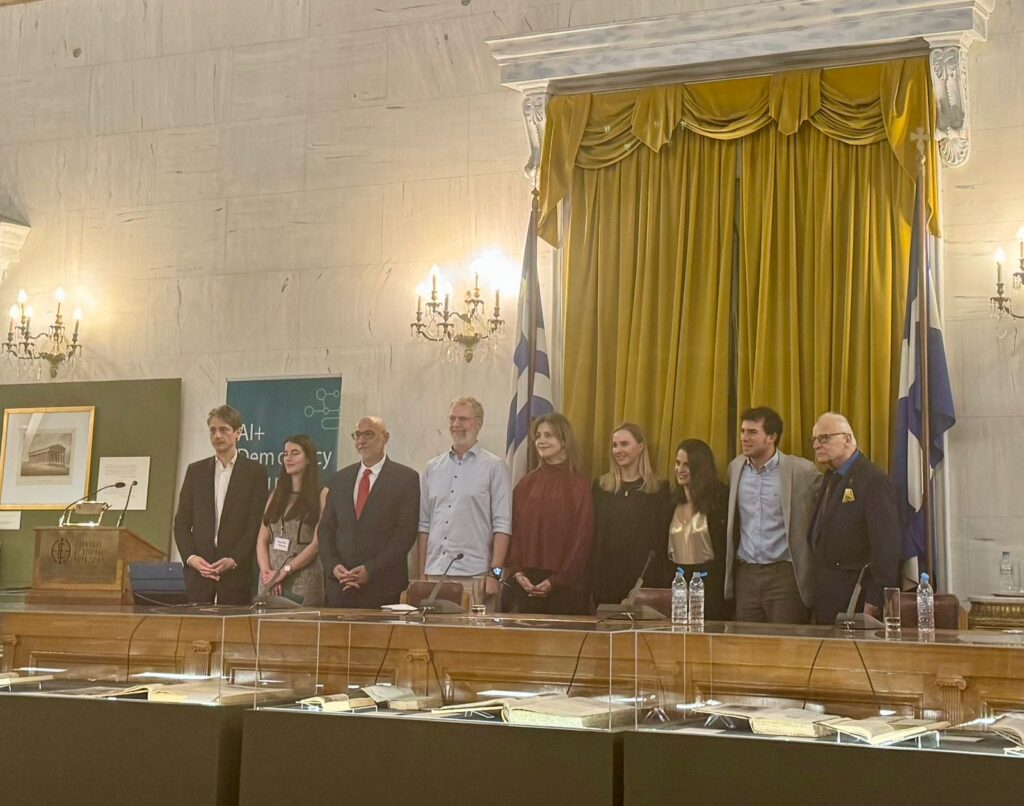
Energon Green Solutions had the distinct honour of participating in the AI+Democracy Forum, hosted at the historic National Historical Museum, Old Parliament House in Athens, a symbolic and highly relevant venue for a discussion on how artificial intelligence is transforming our institutions, economies and civic life.

The Forum brought together leading representatives from technology, research, industry and innovation ecosystems, fostering a substantive and forward-looking dialogue on the opportunities and responsibilities that accompany the rapid acceleration of AI.

It was a great privilege to hear and engage with a distinguished group of speakers who are actively shaping the global technological landscape:

  • Lars Rasmussen, Co-Founder of Google Maps & Panathēnea
  • Kostas Kryptos Chalkias, Co-Founder & Chief Cryptographer, Mysten Labs
  • Tania (Tetiana) Revun, Program Manager, Google DeepMind
  • Antonios Mavropoulos, Member of the UNEP IETC Advisory Board & CEO, D-Waste
  • Georgios Dagkoulis, Product Programme Manager & HTN Robotics Expert
  • Stella Bompotsiari, Founder & CEO, The Greek Online School
  • Louis Loizou, Co-Founder, PathPlay Labs & Hellenic Tech Network

Their interventions collectively highlighted critical dimensions of the AI transition, from secure digital infrastructure, cryptography and frontier research, to circular economy applications, robotics, education, media, and international innovation ecosystems.

We extend our sincere appreciation to the Hellenic Tech Network and Nikol Konstantaropoulou for the vision, initiative and excellent organisation of an event that successfully positioned Greece within the broader European and global AI dialogue.

Why this matters for Energon Green Solutions

For Energon Green Solutions, discussions of this kind are not theoretical. They are directly connected to our strategic mission and operational roadmap.

  1. Building sustainable and resilient digital & energy ecosystems AI is rapidly becoming a core layer of energy systems, smart grids, infrastructure optimisation and climate technologies. The democratic governance of these systems is essential to ensure transparency, security and equal access.
  2. Promoting responsible AI and infrastructure governance As AI becomes embedded in critical infrastructure, questions of accountability, regulatory alignment and technological sovereignty become central to long-term sustainability.
  3. Ensuring that technological progress aligns with democratic values and societal impact Innovation must be human-centric, inclusive and environmentally responsible. The green and digital transitions must move forward together.

Greece in the global AI conversation

The diversity, depth and international relevance of the speakers confirmed that Greece has the capacity to act as a meaningful node in the European and global AI ecosystem, not only as a market, but as a contributor to policy, innovation, research and sustainable technological deployment.

Energon Green Solutions remains committed to actively contributing to this dialogue and to transforming these insights into tangible collaborations, scalable solutions and measurable impact for a green, digital and democratically governed future.

We look forward to continuing the conversation.

Advancing Legal-Tech, Sustainability & Global Policy Innovation

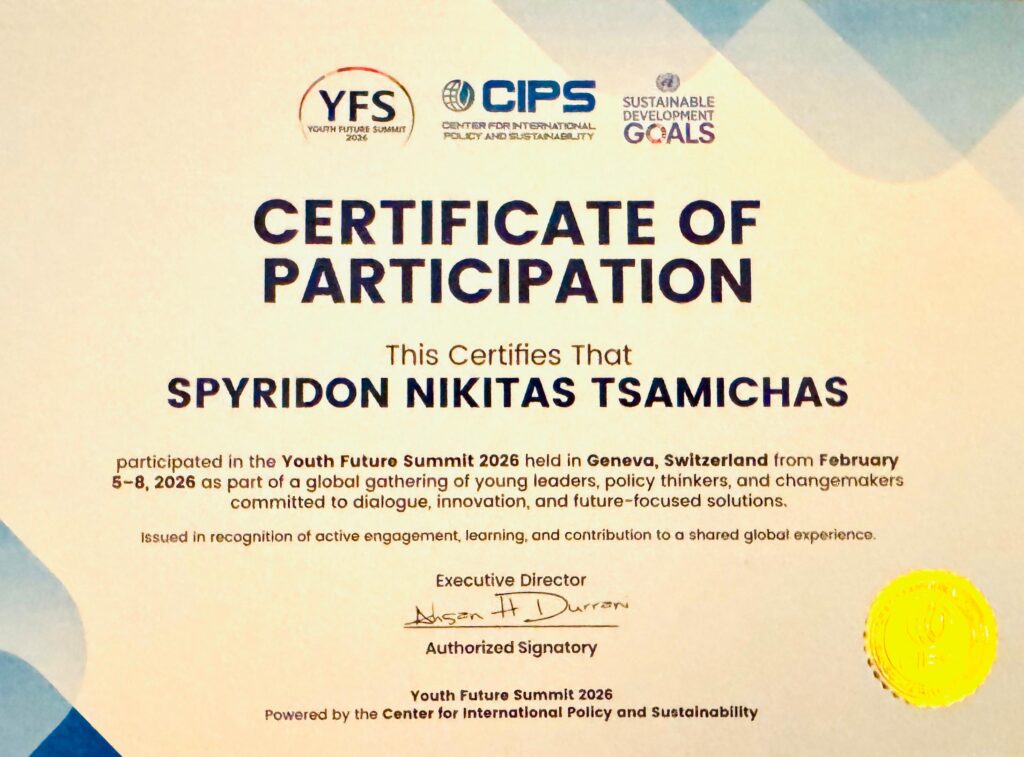
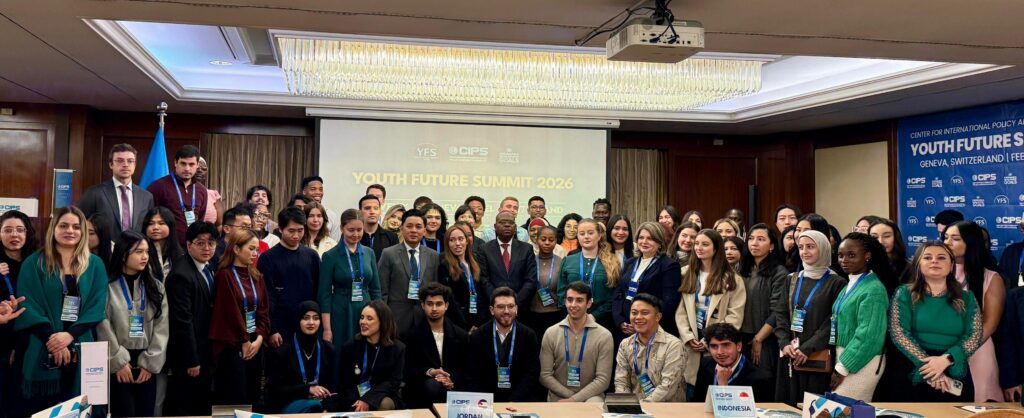
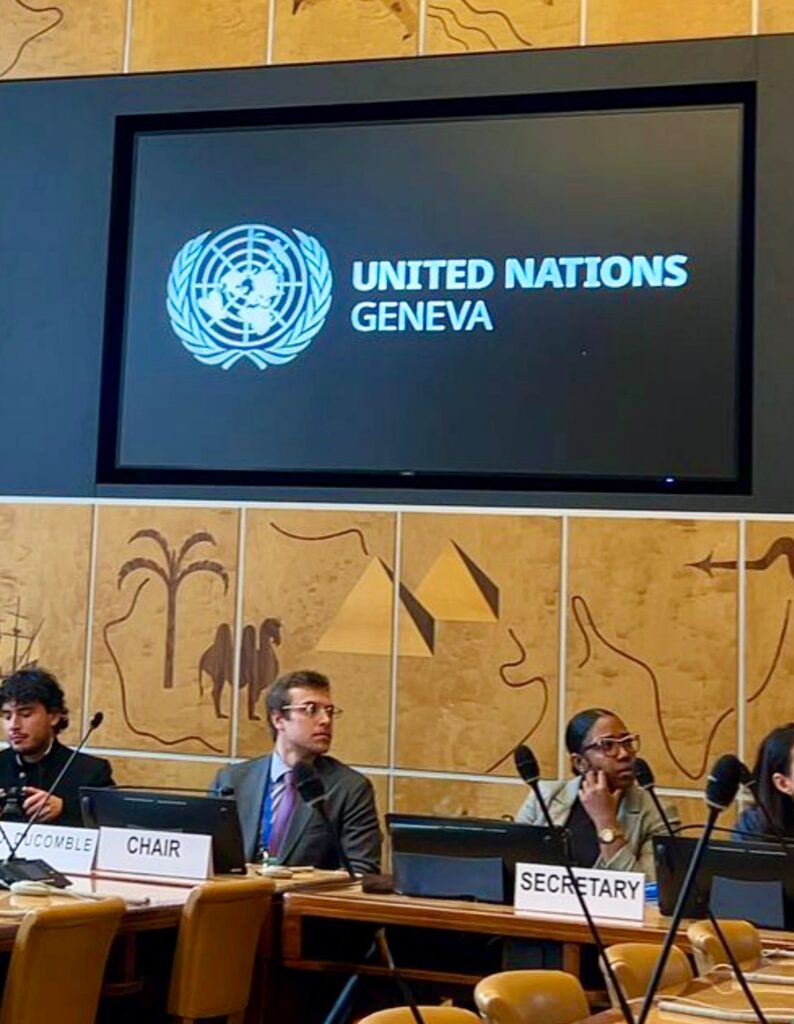
Energon Green Solutions proudly participated in the Youth Future Summit 2026 in Geneva, where our founder, Spyros-Nikitas Tsamichas, was selected as a Fully Funded Delegate representing Greece in a highly competitive international process.

The Summit brought together emerging leaders from more than 120 countries in the world’s leading hub for diplomacy and science, creating a unique environment for the convergence of:

  • sustainability policy
  • artificial intelligence governance
  • climate and energy transition
  • global innovation ecosystems
  • next-generation entrepreneurship. 

From Global Governance to Deep-Tech: A Systems Perspective

The programme included institutional engagement with:

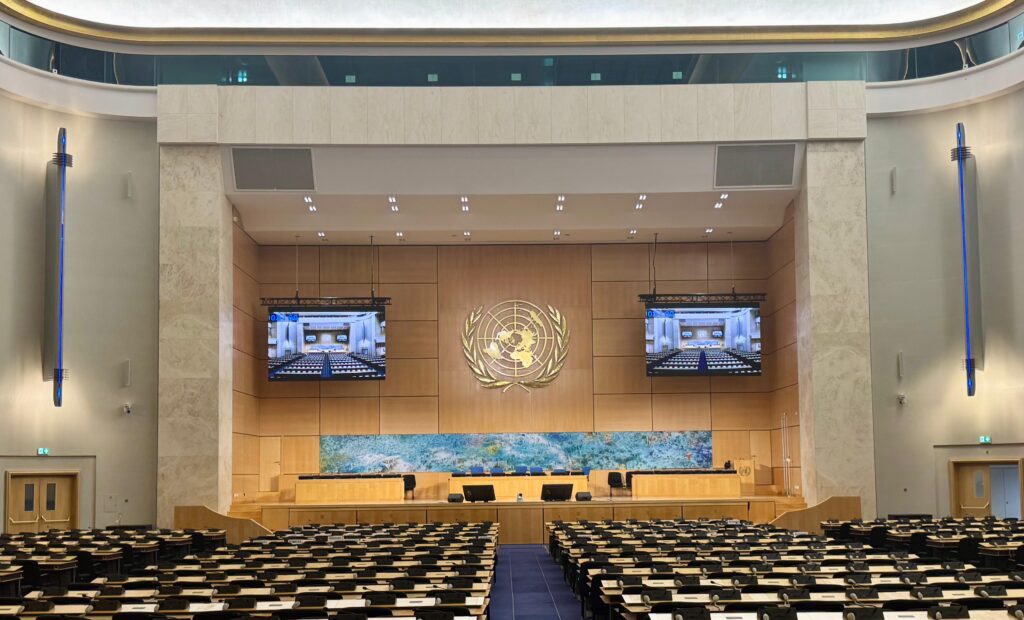
United Nations Headquarters – Geneva
Insight into multilateral governance, SDG implementation, and the regulatory frameworks shaping the global green and digital transition.

CERN – European Organization for Nuclear Research
A powerful demonstration of how frontier science, cross-border collaboration and open innovation models can accelerate technological sovereignty and long-term sustainability.

For Energon, this was not a symbolic experience — it was a real-time case study in how policy, technology and innovation ecosystems interact.

Key Knowledge Tracks Relevant to Energon’s Mission

Participation in the high-level policy and skills programme focused on:

 AI Literacy: Youth Agency, Ethics & Innovation
with Dr. Agnese Pastorino
→ governance of AI, digital rights, and ethical deployment of emerging technologies

Global Policy Dialogue
→ youth participation in decision-making and institutional transformation

Social & Behavioural Change for Impact
with Prof. Altug Akin
→ scaling innovation through community-driven models

Voices of the Future – Delegate Interventions
→ shaping the narrative of the next generation of policy and innovation leaders. YFS final Agenda 2026 

Why This Matters

Energon operates at the intersection of:

  • legal-tech
  • sustainability
  • energy transition
  • digital governance

The Geneva experience directly strengthens our strategic capacity in:

✔ ESG and climate governance intelligence
✔ AI regulatory readiness
✔ energy transition policy monitoring
✔ cross-border innovation partnerships
✔ youth-driven impact ecosystems

In a rapidly evolving geopolitical environment, the green transition is no longer only a technological challenge — it is a regulatory, financial and governance transformation.

Legal-tech platforms must be able to translate global policy into actionable tools.

From Global Dialogue to Real-World Implementation

Our participation reinforces Energon’s commitment to:

  • building tech solutions aligned with the SDGs
  • enabling data-driven sustainability compliance
  • connecting innovation with regulatory foresight
  • empowering the next generation of climate & energy leaders

and to actively bringing global policy intelligence into the Greek and European green innovation ecosystem.

What Comes Next

The networks, institutional insight and interdisciplinary knowledge developed in Geneva will feed directly into:

  • Energon’s legal-tech architecture
  • our sustainability and energy transition projects
  • our international partnerships

because the future of the green economy will be built by those who can translate global governance into scalable innovation.

Learn more about the Summit:

🔗 https://thecips.org/yfs2026/

A Convergence of Innovation, Culture, and Sustainability

We are thrilled to have participated in the inaugural Panathēnea Festival, held from May 7–9, 2025, at the historic Athens Conservatory. This groundbreaking event reimagined the ancient Panathenaic festival, blending technology, art, and entrepreneurship into a vibrant celebration of modern innovation.

The festival featured over 100 esteemed speakers, including industry leaders such as Melanie Perkins (Co-founder & CEO of Canva), Lars Rasmussen (Co-founder of Google Maps), and Peter Vesterbacka (Founder of Slush and former Mighty Eagle at Angry Birds). Attendees engaged in a dynamic program of discussions, exhibitions, startup competitions, and networking events, culminating in a lively street party beneath the Acropolis.

Our team had the pleasure of connecting with passionate founders, top industry leaders, investors, and key stakeholders. The energy and ideas exchanged were fantastic, and we’re excited about the potential partnerships and opportunities that emerged.

Being deeply rooted in environmental sustainability, we were particularly engaged in insightful discussions with fellow pioneers across the deep tech landscape. We explored the transformative potential of emerging disruptive technologies, with a focus on the convergence of legal, financial, and clean-tech solutions. These conversations highlighted the evolving infrastructure supporting green initiatives and the critical role of innovation in driving sustainable development.

We extend our sincere appreciation to the organizers for creating such a dynamic event. The Panathēnea Festival not only showcased the vibrant intersection of innovation and culture but also reinforced Athens’ position as a burgeoning hub for global innovation. We look forward to contributing to this exciting ecosystem in the years to come.

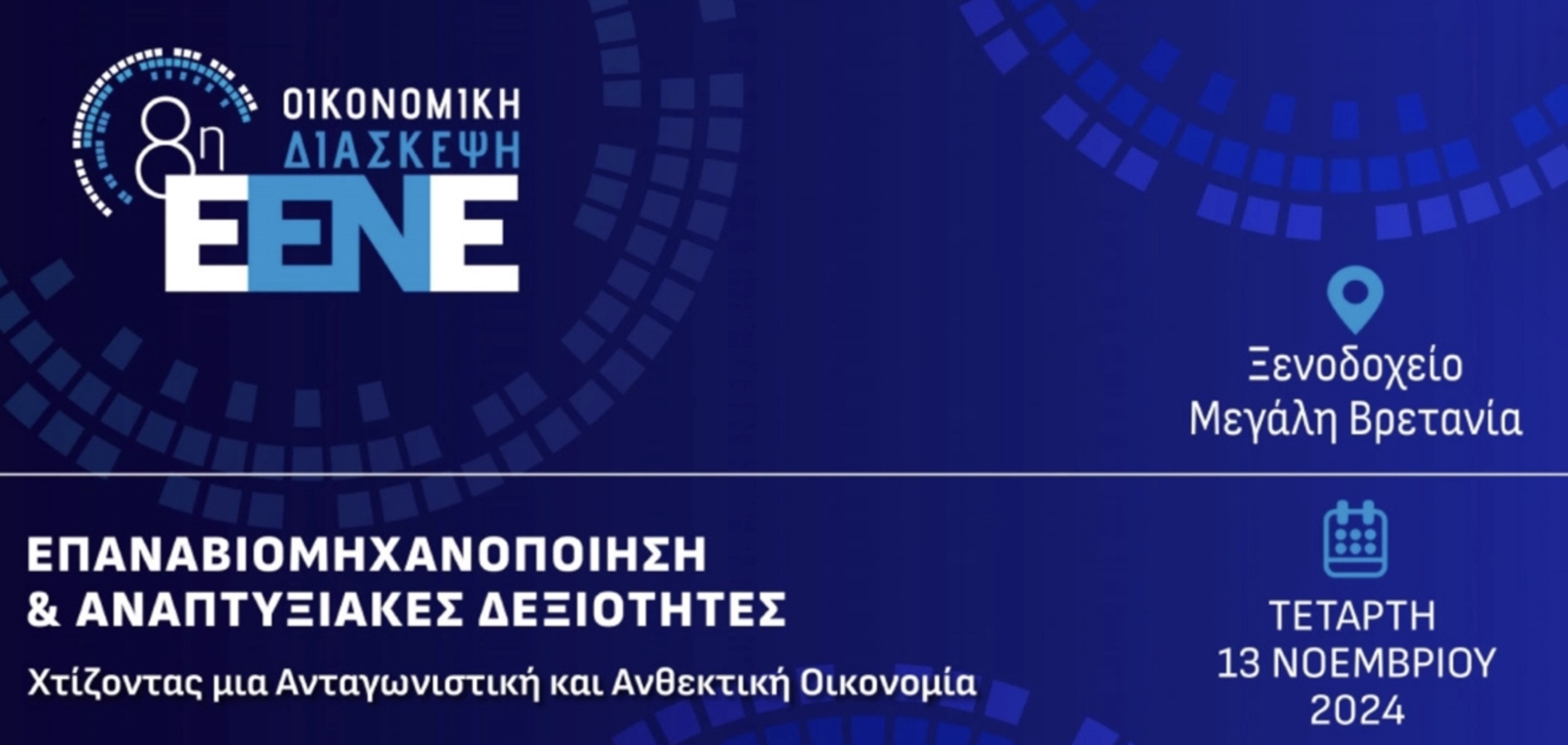
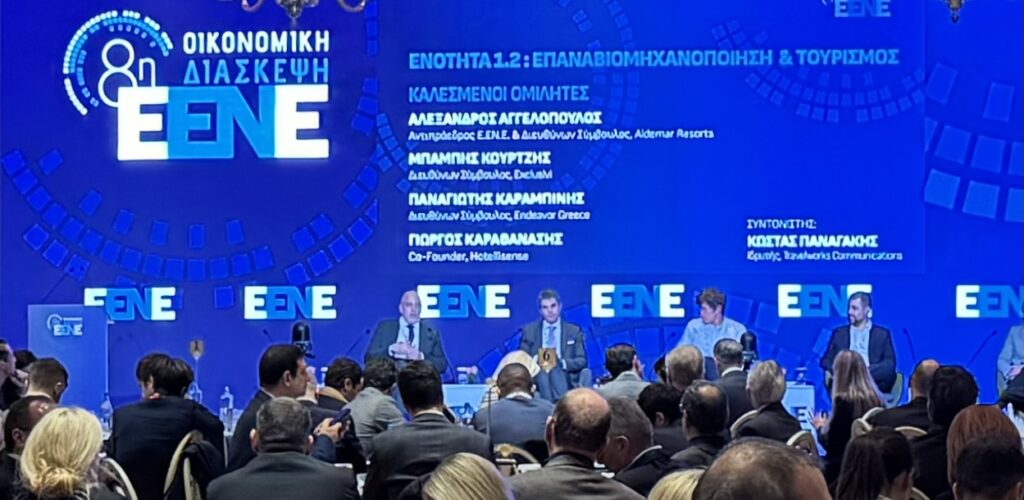
The legal team of Tsamichas Law Firm attended the 8th Annual Economic Conference of the Greek Association of Entrepreneurs (EENE), a key event addressing the critical economic and business challenges shaping Greece and Europe. This year’s conference focused on fostering innovation, sustainability, and entrepreneurship to drive economic reform and resilience.

Tsamichas Law Firm Athens Greece Grecia Atene Commercial Corporate Law Business Energy Tenders

The conference agenda included essential topics such as:

• Sustainable Economic Growth: Strategies for integrating green energy and sustainability into national and European economic policies.

• Digital Transformation and Innovation: The impact of emerging technologies on businesses and legal frameworks.

• Investment and Regulatory Frameworks: Opportunities for foreign direct investment and the legal structures needed to support economic growth.

• Labor Market Reforms: Insights into evolving labor laws and their implications for businesses and employees.

By participating in this event, the team engaged with policymakers, business leaders, and legal experts, gaining valuable insights into the intersection of economic strategy and legal compliance. This knowledge equips the firm to provide clients with forward-thinking solutions tailored to the evolving regulatory and business environment.

Attendance at the EENE Economic Conference reflects Tsamichas Law Firm’s commitment to staying at the forefront of legal and economic developments. It also demonstrates their dedication to supporting clients by delivering strategic advice that aligns with the latest trends and challenges in the global marketplace.

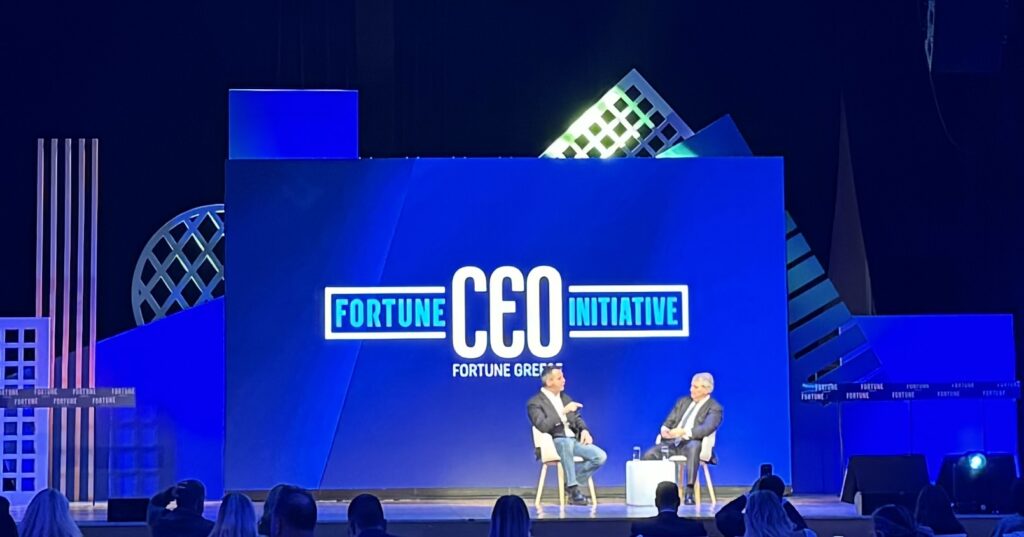
Attending the CEO Initiative Forum 2024: Leading Conversations on Sustainable Energy, Innovation, and Global Impact

We are honored to participate in the CEO Initiative Forum 2024, where industry leaders, innovators, and visionaries gather to address the critical challenges and opportunities shaping the global energy landscape. This year’s forum spotlights the transition toward sustainable energy solutions, fostering international collaboration, and empowering leadership to drive transformative impact.

Our involvement in this esteemed forum underscores our commitment to advancing energy solutions that are not only sustainable but also resilient and innovative. As we navigate the energy sector’s evolution, we see this forum as an invaluable platform to share insights, learn from pioneers in the field, and explore ways to make meaningful contributions to the future of energy.

Forum Highlights on Energy Innovation:

1. The Future of Sustainable Energy and Green Innovation

This session will explore the latest advancements in sustainable energy technologies, from renewables and storage solutions to smart grid innovations and green infrastructure. As the global community races to mitigate climate change, this discussion is critical in identifying and scaling technologies that can support a low-carbon, high-efficiency future. We are eager to engage in dialogues about practical solutions for renewable energy adoption and the role of innovative infrastructure in supporting a sustainable energy ecosystem.

2. Energy Transition and Collaborative Global Leadership

The path to a sustainable energy future requires global collaboration. This session focuses on how industries, governments, and communities can work together to accelerate energy transition efforts worldwide. Topics will include policy frameworks, cross-border partnerships, and community-driven energy initiatives, all of which are crucial to achieving a unified vision for sustainable growth. For our team, it’s an opportunity to exchange ideas on integrating energy transition strategies that meet both local and international needs.

3. Technology-Driven Energy Transformation

The integration of advanced technologies is reshaping the energy sector, driving new levels of efficiency, reliability, and accessibility. This forum will explore the role of digital transformation, artificial intelligence, and data analytics in optimizing energy systems and enhancing their resilience. By harnessing these tools, businesses can streamline operations, improve sustainability metrics, and support data-driven decision-making. We are especially interested in exploring how these technologies can be applied to community energy initiatives and broader energy security goals.

Why the CEO Initiative Forum is Key to Our Mission:

The CEO Initiative Forum is a vital gathering for energy-focused thought leaders, offering an environment where ideas on sustainability and innovation converge. Our participation highlights our dedication to leading in the field of sustainable energy, particularly in developing collaborative energy communities and innovative infrastructure solutions. Engaging with fellow leaders allows us to broaden our perspective, share our own experiences, and form partnerships that align with our vision of a sustainable, connected energy future.

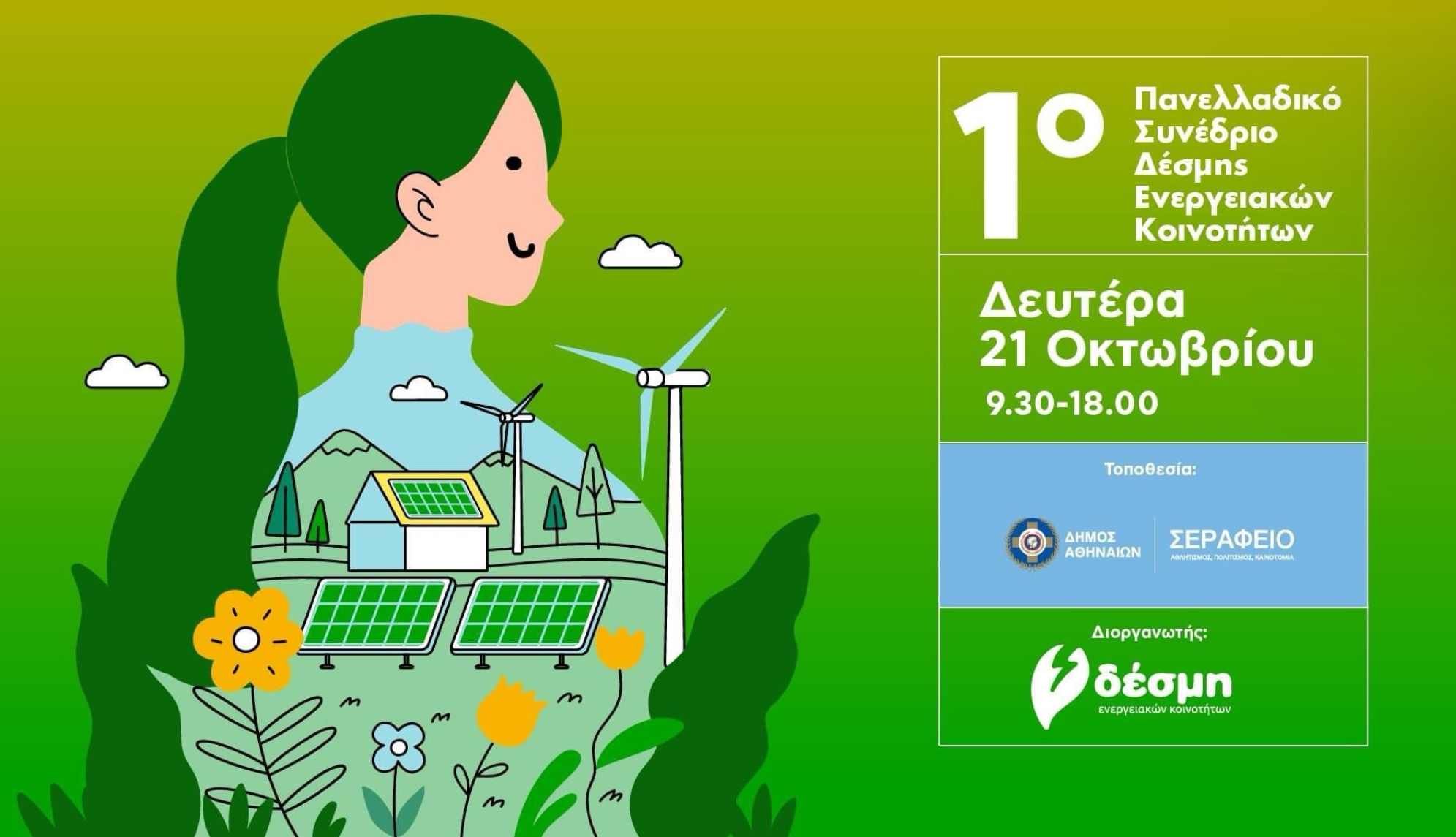
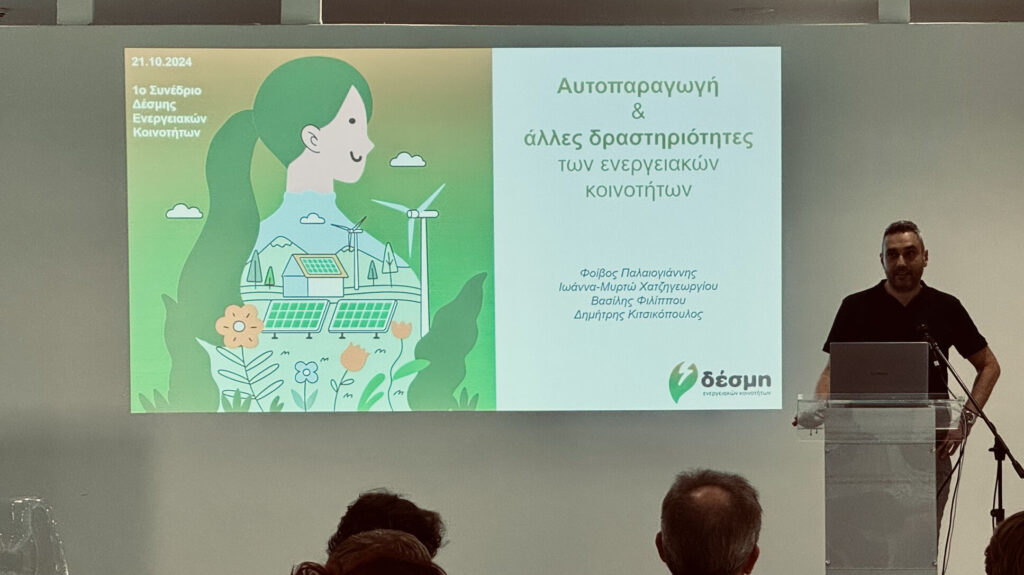
We had the pleasure to attend the Δέσμη Ενεργειακών Κοινοτήτων – Coalition of Energy Communities Desmi 1st National Conference, where we had the opportunity to interact with energy communities and key stakeholders that are promoting a just and equitable energy transition.

Much appreciation to Chris Vrettos of Electra Energy Cooperative & REScoop.eu for the organisation and sharing valuable insights on demand response and renewable acceleration. I also extend my gratitude to the Δίκτυο ΔΑΦΝΗ / DAFNI Network for their engaging presentation on energy self-production, highlighting the potential for local generation and self-reliance.

The conference further reinforced the central themes that we are working on at Energon—the importance of combating energy poverty, improving accessibility to clean energy, and fostering community-driven energy models. The discussions highlighted how energy communities are key drivers in this transition, offering a scalable solution to ensure that clean, affordable energy reaches everyone.

At Energon, we are committed to harnessing these insights and pushing forward with our mission to create innovative, community-based energy solutions that democratize energy access and help tackle energy poverty. The experience at the conference has not only expanded my understanding of the challenges and opportunities in the energy sector but also inspired new ideas for how we can contribute to this vital transition.

We look forward to applying these learnings and building further connections within the energy community as we continue our journey toward a more equitable and sustainable energy future.

We had the pleasure of attending the incredibly successful and insightful conference “Sustainable value creation and bottom-up approaches through law and governance: Realising the potential of small- and medium-sized businesses” organized by the University of Oslo, the National and Kapodistrian University of Athens, the University of Mercata, and the Jean Monnet Chair in Business Law in the EU and Sustainable Economy. 


Such a fantastic opportunity to learn about the latest research, innovative ideas, and practical solutions related to the sustainable development of small- and medium-sized businesses, including sustainability, environmental law, governance, and corporate social responsibility.

The conference highlighted the importance of bottom-up approaches, where businesses are encouraged to take the lead in sustainable development, rather than waiting for top-down regulations.This bottom-up approach is crucial in ensuring that sustainable development is embedded into the culture of businesses, and the conference highlighted this in a practical and engaging way.

The virtual format allowed for participants from all over the world to attend and engage in meaningful discussions. The conference was well-structured, and the presentations were informative and thought-provoking. The insights gained from this conference will undoubtedly have a positive impact on the future of sustainable development for small- and medium-sized businesses. 

We look forward to continuing to engage with other organizations in the future, as we work towards creating a more sustainable world for future generations.